Minimal Tools, Maximum Inquiry: Curating a Limited Palette for Long-Term Projects
The value of limitation
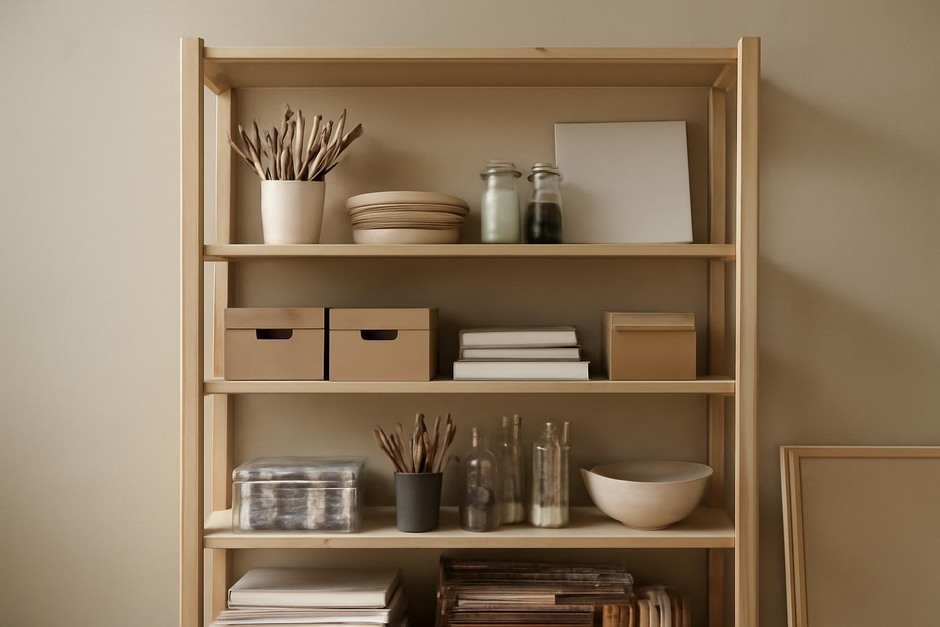
Working with fewer tools and colours is not a constraint for its own sake. It is a deliberate strategy to increase attention and reduce the noise of infinite choice. A limited palette encourages closer observation, forces compositional decisions, and often leads to a deeper exploration of materials. For long-term projects, it also lessens consumption and simplifies storage.
Choosing a core kit
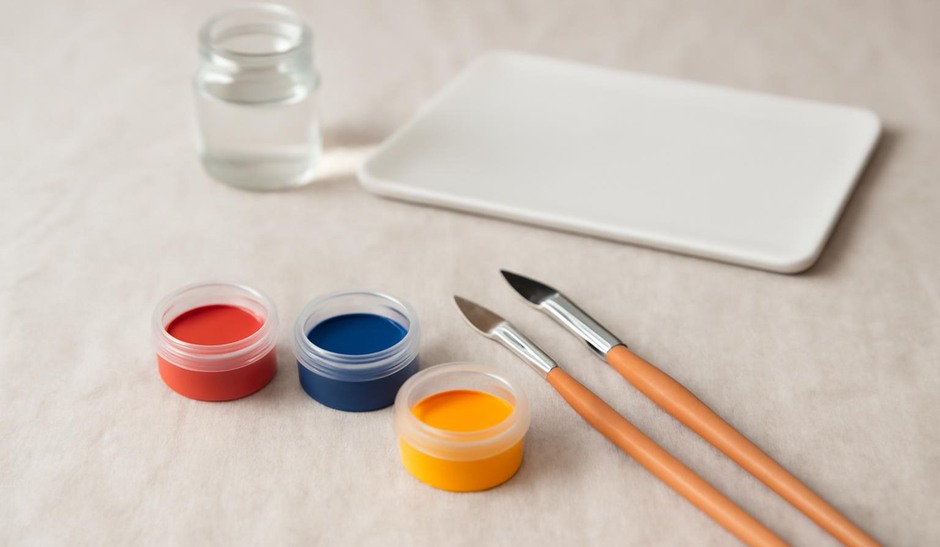
Select items that are durable, repairable, and versatile. For paints, limit to a handful of pigments that mix cleanly: a warm and cool of primary hues plus a neutral. For drawing, choose two pencils and one ink. Include one reliable brush or tool for washes, one for detail, and one for texture. The aim is to cover broad effects with a small set of implements.
How limitation shapes composition
- Colour relationships: With fewer hues, composition depends on value and saturation contrasts rather than a wide chromatic range. This can produce clearer, more unified images.
- Material experiments: Limited tools encourage exploration of mark-making techniques and surface interactions, revealing new possibilities within familiar constraints.
- Decision speed: Reduced choices shorten decision time and maintain momentum, particularly in extended projects where decision fatigue accumulates.
Sustainability and lifecycle
Fewer materials mean less packaging, fewer expired tubes or dried-out pens, and more opportunity to choose higher-quality, longer-lasting supplies. Invest in refillable items when possible: sharpenable pencils rather than disposable mechanical ones, refillable brush handles, and larger paint tubes to avoid frequent repurchase in small, wasteful packaging.
Practical routines with a small kit
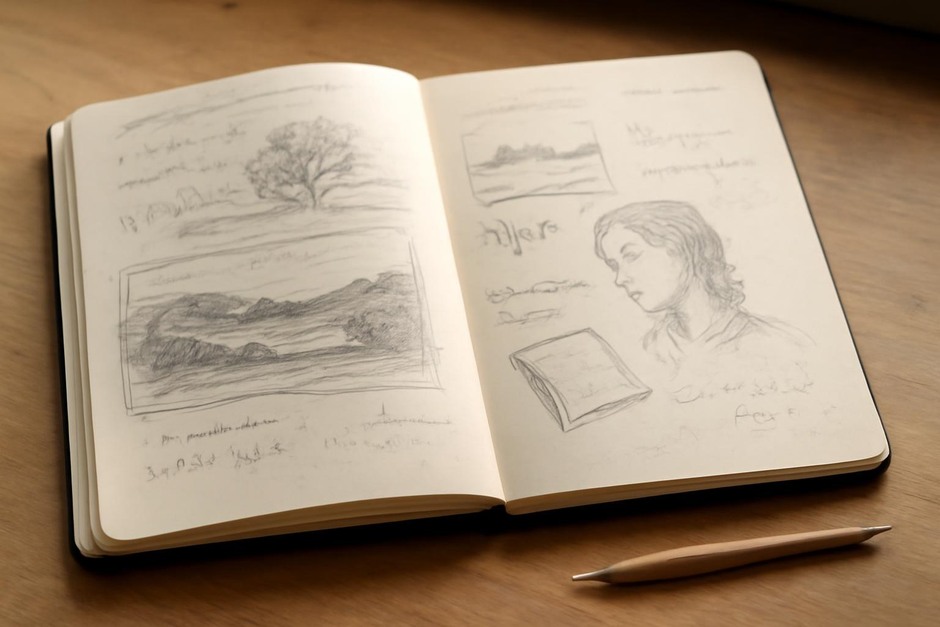
- Weekly refinement: Test a colour mix or tool technique and record the result in a sketchbook to build a personal reference library.
- Rotation by project: Assign the core kit to a specific project for its duration. This reduces cross-project contamination and clarifies material choices when reviewing progress.
- Repair and reclaim: Establish a simple repair ritual—clean and reshape brushes, refill pens, stretch or patch paper—to prolong the service life of tools and substrates.
Observation as a consequence
Limiting your kit shifts attention from procurement to perception. You begin to ask different questions: how does a single pigment shift under different varnishes? What marks remain distinct when rendered in only one hue? These inquiries deepen technical knowledge and produce a coherent visual logic across a body of work.
Minimal kits do not mean minimalist output. They mean mindful output. Over time, a curated palette becomes a reliable language through which you can pursue complex, long-term ideas without accumulating unnecessary materials or distractions.