Materials Return: Preparing, Rotating, and Reclaiming Supplies for Circular Studio Practice
Why circularity in a studio matters
Studios generate scraps, partially used materials, and packaging. A circular approach treats these outputs as resources rather than waste. Preparing, rotating, and reclaiming supplies reduces environmental impact, lowers costs over time, and encourages inventive reuse. It also makes the studio a more measured environment where materials are respected and longevity is valued.
Preparation: set clear expectations
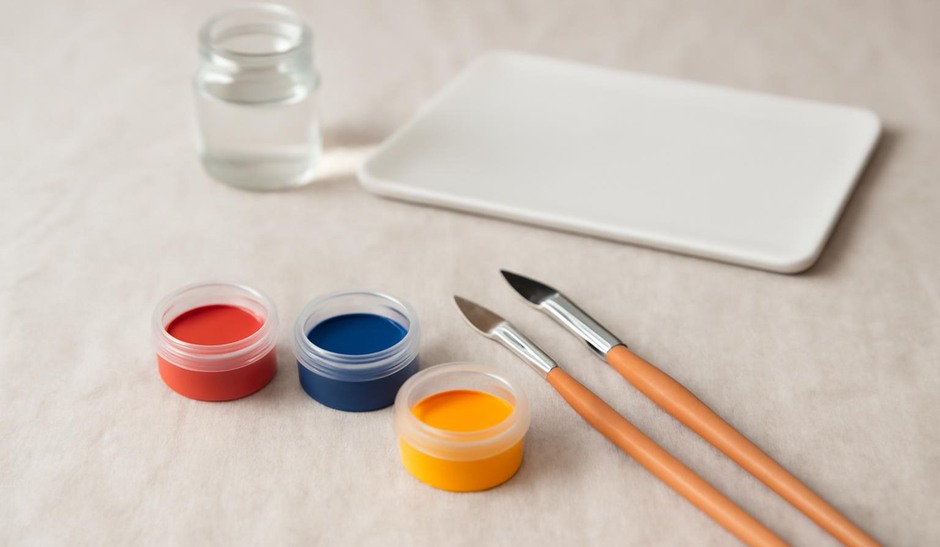
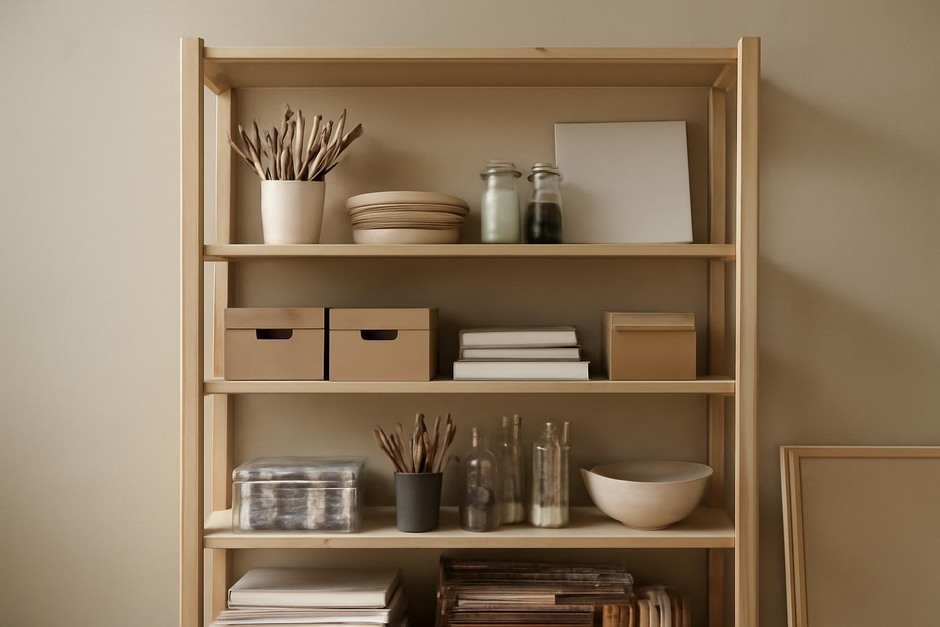
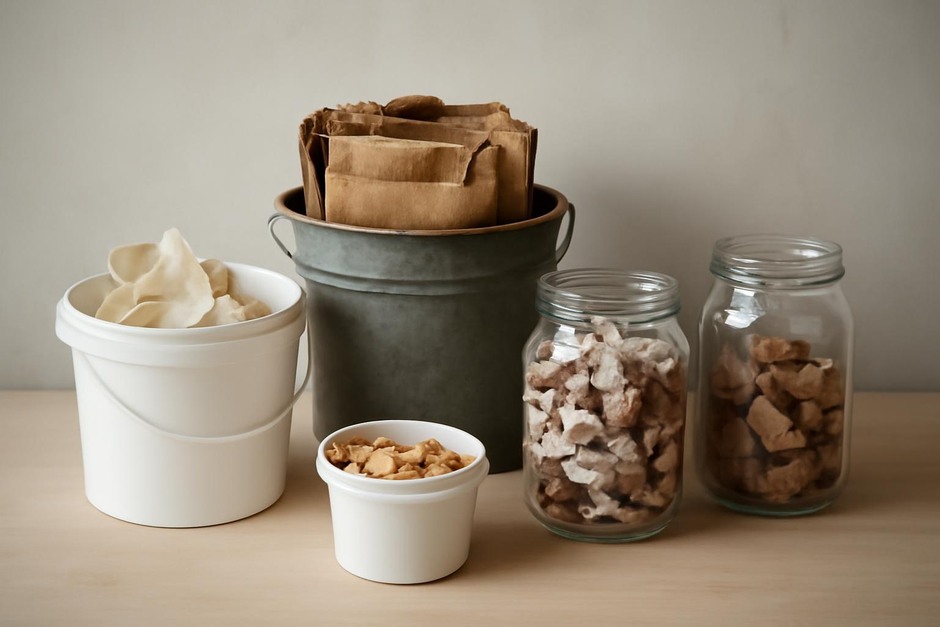
Begin by clarifying what you will keep and why. Some materials require specific storage conditions; others are expendable. Prepare receptacles for commonly reclaimed items: jars for pigment remnants, bags for fabric offcuts, and trays for partially used paint. Label these receptacles and place them near the work area so reclaiming becomes part of regular practice rather than an occasional task.
Rotation: avoid stagnation
- First-in, first-out: Organise supplies so older items are used before newer ones. This reduces expiration and encourages experimentation with slightly aged or oxidised materials.
- Active rotation bins: Keep a small, visible bin for ‘materials to test’—fragments and leftovers that invite short experiments.
- Edit regularly: Quarterly, review what remains and decide whether to reintegrate, donate, or responsibly discard items that no longer serve practice.
Reclaiming techniques
Simple methods extend usefulness. Mix dried paint flakes into gesso for texture, repurpose paper offcuts as colour studies or collage material, and use solvent residues to pre-wash rags for cleaning. For brushes and tools, perform small repairs: reshape bristles, tighten ferrules, and store handles to prevent warping. Reclaimed materials can become prompts for constrained studies that reveal surprising qualities.
Responsible disposal
Some materials cannot be reclaimed and require careful disposal. Keep a list of local recommendations for hazardous materials and avoid practices that spread contaminants. Where possible, choose products with minimal hazardous waste and prefer refillable or concentrated forms to reduce packaging. Transparency about disposal choices is part of a mindful studio ethic.
Integrating circular routines into workflow
- End-of-day sweep: Spend a short period each day collecting reclaimable items into their designated receptacles and noting items that need special attention.
- Monthly reclaim session: Reserve a longer session to process reclaimed materials into usable forms—mix pigments, prepare offcut bundles, or mend tools.
- Documentation: Keep a simple log of reclaimed projects and the techniques used. This record multiplies the value of experiments and reveals patterns for further reuse.
Observation leads to innovation
Observation is the driver of circular practice. Noticing the textures of dried paint, the potential in a discarded roll of tape, or the way offcuts accumulate signals opportunities to reframe waste as material. Over time, reclaiming becomes a source of visual language and technical growth rather than a chore.
A circular studio practice does not limit creativity; it reshapes it. By preparing receptacles, rotating supplies, and learning simple reclamation techniques, the studio slowly becomes more resilient, economical, and inventive. The materials you keep tell a story about your decisions, and those decisions, when observed, refine both process and outcome.