Daily Light, Seasonal Rhythm: Building Sustainable Creative Routines Around Natural Conditions
Working with natural conditions
Natural light and seasonal change are reliable frameworks for structuring a practice. Rather than fighting daylight cycles with constant artificial lighting or forcing a single daily schedule year-round, aligning work patterns with the light and seasons can reduce energy use and attune perception to subtle environmental cues. This alignment supports sustainable practice and refines observational skills.
Start with simple observations
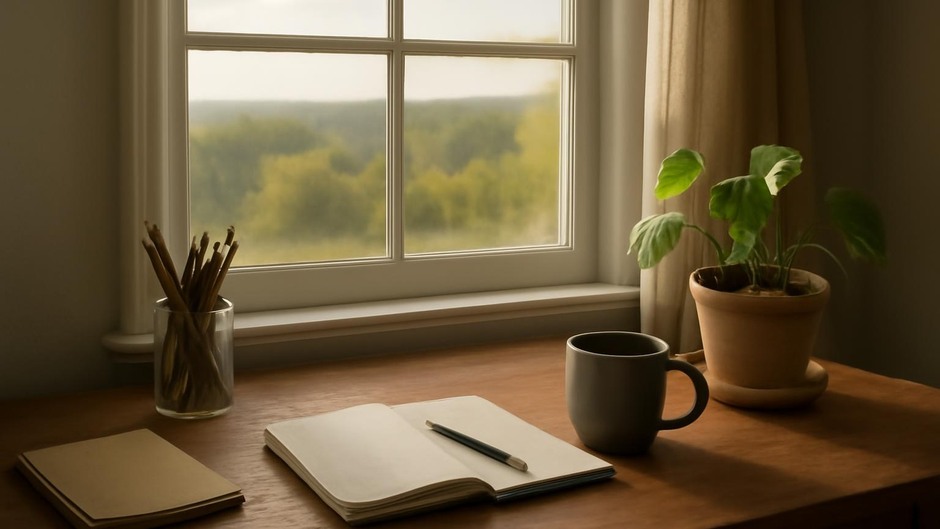
Record the quality of light in your studio for a week: note the times of direct sun, diffuse light, and shade. Notice how temperature and humidity vary across the day. These simple data points will suggest windows for certain tasks. For example, detailed colour mixing might be best in late morning when light is steady, while lower-contrast drawing can take place in softer afternoon light.
Designing seasonal routines
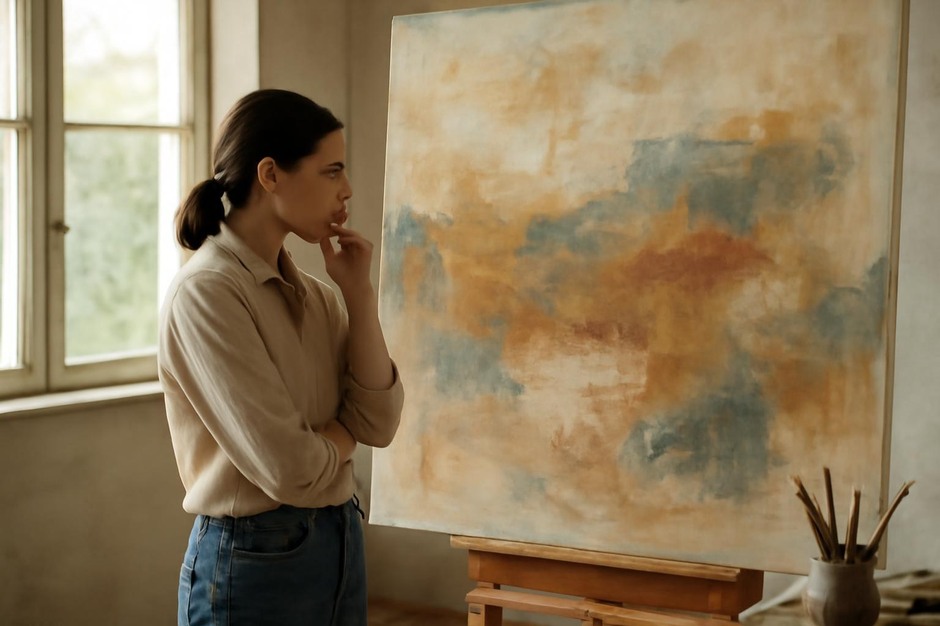
- Spring and early summer: Longer days are ideal for projects that require extended natural light. Use these months for larger canvases, plein air studies, or work that benefits from vibrant colour observation.
- Late summer and autumn: As daylight shortens, prioritize tasks that are less light-dependent: planning, scanning, and cataloguing. Reserve time for reflection and documentation.
- Winter: Short days are useful for domestic-scale studio activities: studies, small paintings, and technique experiments. Embrace reduced brightness as a time for quieter work and material maintenance.
Daily rhythms that conserve energy
Structure your day to take advantage of natural peaks. If mornings offer the most reliable light, schedule concentrated creative sessions then and use afternoons for admin, maintenance, or low-light tasks. When artificial light is necessary, use targeted lamps for the immediate work area rather than lighting the entire space. This conserves energy and produces a clearer, better-controlled viewing environment.
Practical methods to maintain momentum
- Light-aware task list: Keep a running list of tasks labelled by light requirement—high, medium, low—so you can shift activities without losing progress.
- Seasonal project calendar: Plan projects with realistic timelines that respect seasonal daylight. Long, light-dependent projects can be grouped for brighter months.
- Micro-routines: Adopt short, repeatable actions that slot into different parts of the day: a 20-minute drawing warm-up in the morning, a 30-minute materials check in the evening.
Observation deepens perception
Working with natural cycles trains visual sensitivity. Colours appear differently at various times; reflections, cast shadows, and atmospheric effects shift the character of a scene. Paying attention to these variations enriches both representational work and abstract explorations. It encourages a practice that is responsive to context rather than imposed on it.
Finally, building routines around natural conditions is not a strict rule but a framework. Allow flexibility for obligations and energy changes. The intention is to reduce friction between environment and work, conserve resources, and develop observational acuity that becomes part of a sustainable creative life.